

Aviator Game Cluster Pay System Analysis for UK
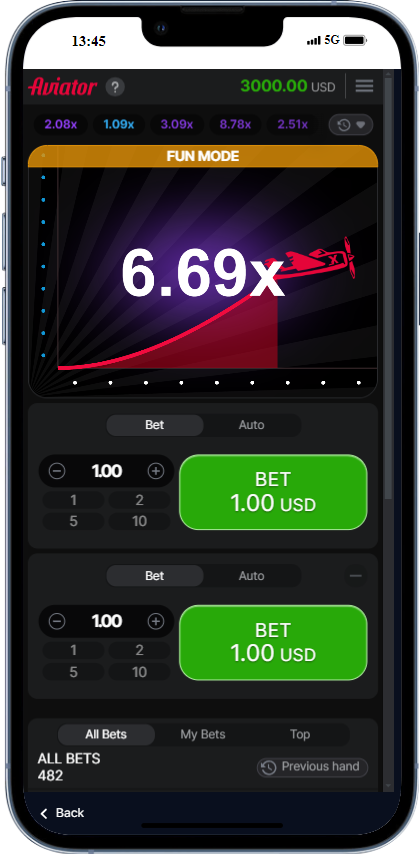
Aviator stands out as a crash-style casino game that substitutes traditional reels with a real-time multiplier that increases until the round finishes. Players place a stake and then choose when to cash out before the plane departs from view. This unique mechanic produces a rapid, transparent experience where the sole decision is the exit point. The game operates on a approved random number generator, so every round is independent and the outcomes are unable to be predicted. Because the full session endures seconds rather than minutes, many players regard it as a quick alternative to conventional slot play.
How the Cluster Pay System Operates in Aviator
The cluster pay system in Aviator differs from the grid-based matching seen in slot machines. Instead of symbols lining up on fixed lines, the game monitors the multiplier value in real time and rewards when the player manually cashes out. The cluster, in this context, indicates the continuous run of the multiplier before the crash point. Each round starts with a new seed value, and the multiplier starts at 1.00×. The longer the plane continues on screen, the higher the multiplier increases, creating the sense of a growing cluster of potential returns. Understanding this system aids players recognise that timing, rather than symbol combinations, decides the outcome.
Because the multiplier grows continuously, the cluster pay system compensates early cash-outs with smaller but more frequent wins, while later cash-outs carry higher risk. The game shows the current multiplier to several decimal places, giving players precise information for their decisions. This level of transparency distinguishes Aviator from slots where the result is revealed only after the reels stop. Players who like control over their exit point often consider the cluster system more engaging than waiting for random line matches.
Feature Set and Multiplier Systems
Aviator omits traditional bonus rounds, free spins or scatter icons. The core multiplier itself functions as the sole variable feature. As the multiplier increases continuously, each round contains an embedded risk-reward curve that replaces the need for separate bonus triggers. Gamers who like bonus diversity might find this minimalism restrictive, while those who prefer direct control frequently value the omission of multi-tier features.
Various sites introduce optional side bets or data panels that show average crash points over recent rounds. These features do not change the random outcome but may assist players improve their withdrawal plan. The lack of wild symbols or payline modifiers preserves the rule set concise, which diminishes the onboarding process for new players. learn everything
Wager Limits and Maximum Win Potential
Wager sizes in Aviator usually begin at 0.10 units and can go up to several hundred units per round, according to the platform’s configuration. The game enables two simultaneous bets, so players can split their stake or try different cash-out strategies in the same round. Max risk per round is hence twice the single-bet limit, which is clearly indicated in the betting panel before each round begins.
The potential top payout is uncapped because the multiplier can, in theory, climb indefinitely. In practice, rounds seldom surpass 100.00×, and the probability of attaining that level is very low. Players should treat the maximum win as a theoretical limit rather than a realistic target. The game displays historical crash points so users may examine recent outcomes, but these figures have no impact on future rounds.
Return to Player and Volatility Characteristics
The published return to player value for Aviator is 97 percent when players withdraw optimally. This RTP holds across all bet sizes and remains constant based on previous rounds. The figure relies on that players pick an exit point before the plane disappears; any strategy that delays for extremely high multipliers lowers the effective RTP because the probability of reaching those values drops sharply.
Volatility in Aviator is most accurately described as medium to high. Most rounds finish with multipliers between 1.00× and 2.00×, yielding frequent but modest returns. Occasionally the multiplier climbs above 10.00×, producing the larger payouts that capture attention. Because the distribution is front-loaded, players go through many small results broken by occasional spikes. This pattern works well for short sessions where the goal is regular participation rather than long-term jackpot chasing.
Visual style and Visual Presentation
Aviator uses a minimalist aviation theme built around a red plane that takes off and glides across a simple blue sky. The background keeps uncluttered so the multiplier and cash-out buttons remain clearly visible at all times. Sound design incorporates a low engine hum that rises in pitch as the multiplier grows, giving an audible cue without distracting from the numbers. The interface steers clear of complex animations, which keeps the focus on the single decision point of when to cash out.

Colour choices follow high-contrast principles, keeping the game usable on both desktop and mobile screens. The red plane is visible against the sky, and the multiplier digits enlarge as they increase, aiding players track progress without struggling. Because the theme supports the mechanic rather than the other way around, the game loads quickly and runs smoothly even on older devices or slower connections.
Detailed Guide to Making Bets
Commence by selecting a platform that offers Aviator and confirming that the game runs without error. Identify the betting panel, usually placed below the flight area, and input the preferred stake amount. If dual betting is enabled, repeat the process for the second stake. Examine the shown maximum multiplier history to grasp recent patterns, then click the bet button before the countdown timer reaches zero.
During the round, watch the multiplier climb and determine on an exit point depending on personal risk tolerance. Press the cash-out button to claim the current multiplier. The game promptly adjusts the balance and presents the round result. Redo the process for the next round. Maintaining a separate record of cash-out points can help determine whether chosen exit strategies correspond to actual results over time.
Changing Stake Size Mid-Session
Most versions allow stake changes between rounds but not during an active flight. Players who desire to increase or decrease exposure must wait for the current round to finish. This restriction stops impulsive adjustments while the multiplier is rising. Determining a fixed stake amount before the session begins can lessen the temptation to chase previous outcomes.
Some interfaces include quick-select buttons for common stake values, which accelerates the process for mobile users. Irrespective of the method, verifying the stake before each round guarantees that bankroll limits remain maintained throughout the session.
Core Gameplay Loop and Round Structure
Each round adheres to a fixed sequence that lasts roughly eight to twelve seconds. Players first pick their stake or stakes, then press the bet button before the plane takes off. Once the round starts, the multiplier begins to rise and the cash-out button becomes active. Pressing cash-out secures the current multiplier for that stake, and the winnings appear instantly in the balance. If the plane disappears before cash-out, the stake is lost.
The round structure promotes repeated play because the interval between decisions is short. There are no reels to spin or bonus animations to watch, so the pace remains consistent. Players who enjoy rapid feedback often prefer this loop to traditional slots where feature triggers can interrupt the rhythm. The absence of progressive elements means every round resets completely, removing any carry-over mechanics that might complicate bankroll tracking.
Single versus Dual Bet Strategy
Using one bet allows full concentration on a single exit point, which many players find easier to manage. The dual bet option lets users set different cash-out targets for each stake, effectively creating a conservative and an aggressive position in the same round. For example, one stake might target 1.50× while the second aims for 5.00×. This approach divides risk without extending session length.
Platform settings control whether dual betting is available and whether separate cash-out buttons appear. Players should verify these options before committing larger amounts. The dual system does not change the underlying probability of each round; it simply provides an additional decision layer within the same time frame.
Popular Strategies and Risk Considerations
One commonly mentioned approach uses setting a fixed cash-out target, for example 2.00×, and implementing it consistently. This method yields numerous small wins but restricts upside potential. Another strategy relies on a variable target that increases after a series of low crashes, aiming to recover previous losses in a single successful round. Both approaches share the same house edge; neither alters the certified random outcome.
Players should recognise that any strategy based on patterns in historical data implies independence that does not exist. The certified random number generator restarts each round, so past multipliers offer no predictive value. Responsible bankroll management, such as limiting total session spend to a predetermined amount, stays the most reliable way to control risk no matter chosen exit tactics.
System Requirements and System Specs
Aviator operates in modern web browsers requiring no additional downloads, provided JavaScript and WebSocket connections are enabled. Smartphone browsers on iOS and Android devices are compatible with the game, though screen size affects the visibility of the multiplier digits. Widescreen view often offers a clearer view of the flight path and cash-out buttons.
Internet stability matters because a dropped signal during the round can prevent a manual cash-out https://aviator-live.eu/. Most platforms routinely cash out at the last recorded multiplier if the connection is lost, but this safeguard is not universal. Players on mobile data should check the auto-cash-out setting before starting a session on an unreliable network.

Understanding how the cluster pay system, volatility profile and betting options interact lets players to approach Aviator with realistic expectations. The game compensates clear decision-making and disciplined stake management rather than extended play or complex feature chasing. Checking the published RTP and testing small stakes first gives a practical way to evaluate whether the pace and risk level match individual preferences before committing larger amounts.

Bir cevap yazın